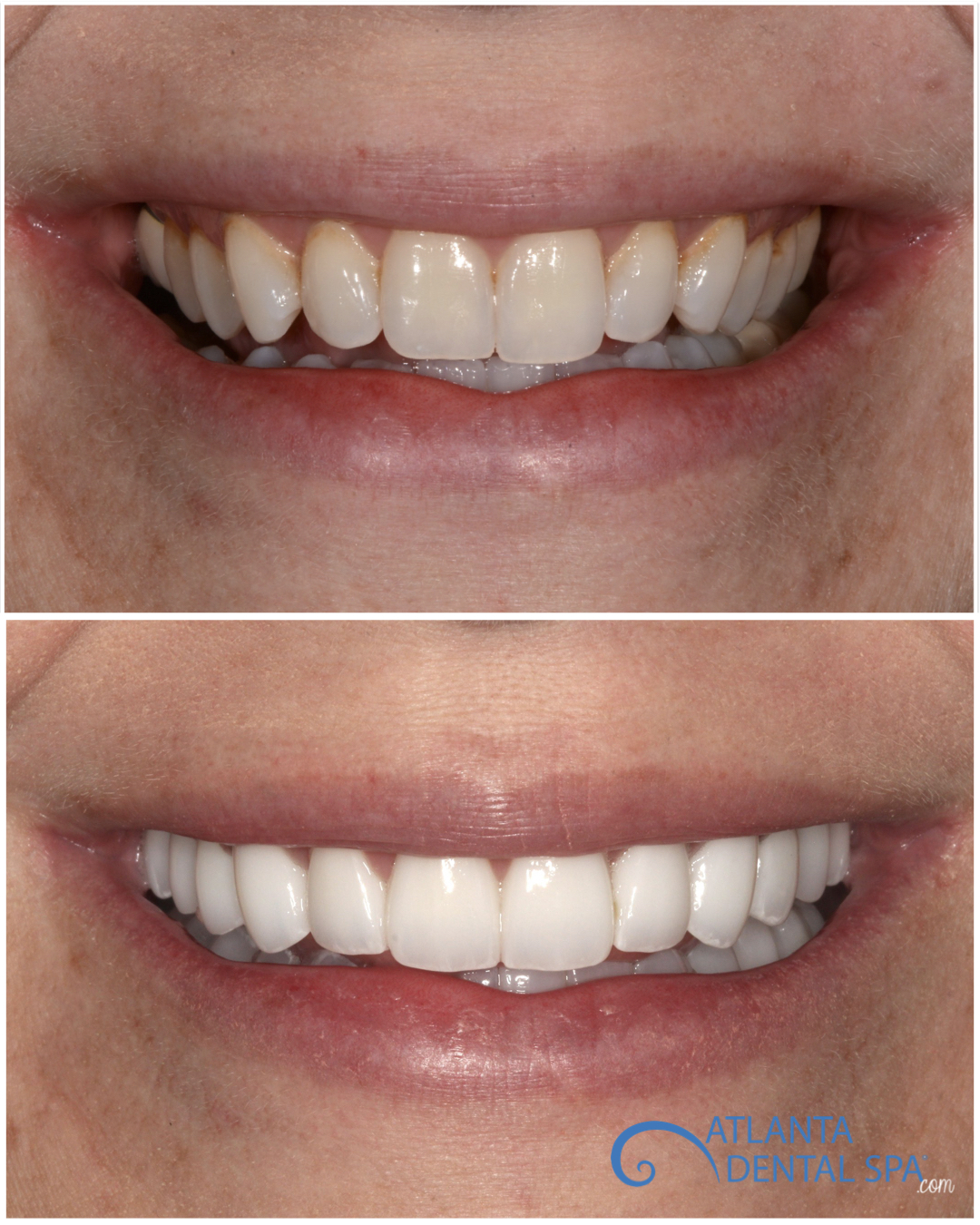
No-Prep Veneers vs. Traditional Veneers: Which Is Right for You?
Welcome to the blog. I am Dr. Drew King, CEO of Atlanta Dental Spa. One of the most common questions I hear from patients seeking a smile transformation is about the differences between no-prep veneers vs traditional veneers. It is a fantastic question because choosing the best veneers type is a significant decision that impacts both your appearance and your long-term dental health. With locations across Buckhead, Johns Creek, Poncey-Highland, East Cobb, and Brookhaven, my team and I have helped countless patients achieve their dream smiles. Today, I want to provide a comprehensive veneers comparison to help you understand which option might be the perfect fit for your unique dental anatomy and aesthetic goals.
To begin our veneers comparison, let us first look at traditional porcelain veneers, which have been the gold standard in cosmetic dentistry for decades. Traditional veneers require a small amount of enamel to be removed from the front surface of your teeth, usually about half a millimeter. This tooth preparation is essential because it creates space for the porcelain shell, ensuring that your new smile does not look bulky or unnatural. Because I am one of fewer than 3% of dentists certified in IV sedation combined with elite cosmetic training, I can ensure this preparation process is entirely comfortable and anxiety-free. The result is a stunning, custom-crafted smile that perfectly complements your facial features and provides exceptional durability.
On the other hand, minimal prep veneers, often referred to as no-prep veneers, offer an alternative approach that appeals to many of our patients. As the name suggests, no-prep veneers require little to no removal of your natural tooth enamel before placement. These ultra-thin porcelain shells are bonded directly to the front of your existing teeth, making the procedure faster and generally less invasive. Many patients ask me about Lumineers vs veneers, as Lumineers are a popular brand of no-prep veneers. While the idea of preserving all your natural enamel is certainly attractive, it is crucial to understand that this approach is not universally applicable to every patient or every cosmetic concern.
When determining candidacy for no-prep veneers vs traditional veneers, I always start with a thorough evaluation of your individual anatomy. No-prep veneers are typically best suited for patients who have relatively straight teeth and are looking to add volume or slightly change the shape of their smile. If you have small teeth, teeth that slant inward, or minor gaps you wish to close, minimal prep veneers can provide a beautiful, natural-looking enhancement. However, because we are adding material over your existing teeth without removing enamel, we must be careful to avoid a bulky or over-contoured appearance. This is where elite cosmetic training becomes absolutely vital in achieving a seamless, lifelike result.
It is equally important to have an honest discussion about the limitations of no-prep veneers. Because they are incredibly thin and translucent, they are not suitable for masking severe discoloration or dark staining on your natural teeth. Furthermore, if you have significant crowding, severe misalignment, or teeth that already protrude, adding a layer of porcelain without any tooth preparation will only exacerbate these issues. In these cases, attempting to use no-prep veneers would compromise both the aesthetic outcome and the health of your gums. For patients with these specific challenges, traditional veneers remain the superior choice for achieving a flawless, harmonious smile.
When we compare the aesthetic outcomes of no-prep veneers vs traditional veneers, both can deliver breathtaking results when performed by an experienced cosmetic dentist. Traditional veneers offer the highest level of customization, allowing us to completely redesign the color, shape, and alignment of your teeth with precise control. The slight enamel reduction provides the necessary room to create depth and natural light reflection within the porcelain. While minimal prep veneers can also look incredibly beautiful, they require a very specific starting point to achieve that same level of perfection. Ultimately, the best veneers type for you is the one that addresses your specific concerns while maintaining a natural, proportionate appearance.
Longevity is another critical factor in our comprehensive veneers comparison. Both options are highly durable and resistant to staining, but there are slight differences in their expected lifespans. With proper care, excellent oral hygiene, and regular visits to our Atlanta Dental Spa offices, no-prep veneers typically last between 10 to 15 years. Traditional veneers, due to their slightly thicker profile and the strong bond created with the prepared tooth structure, often boast a lifespan of 15 to 20 years or even longer. Regardless of which option you choose, protecting your investment by wearing a nightguard and avoiding habits like biting on ice or using your teeth as tools will help maximize their longevity.
Patients frequently ask about the cost comparison between these two transformative treatments, especially when researching Lumineers vs veneers online. Generally speaking, the investment for no-prep veneers and traditional veneers is quite similar, as both require the highest quality materials and the expertise of a master ceramist to craft your custom restorations. The slight variations in cost usually depend on the complexity of your individual case and the specific number of teeth being treated. During your consultation at any of our locations, whether in Buckhead or East Cobb, we provide a completely transparent breakdown of the costs involved. We believe that investing in your smile is one of the most rewarding decisions you can make, and we offer various financing options to make your dream smile accessible.
The topic of reversibility often comes up when discussing Lumineers vs veneers or other minimal prep options. Because traditional veneers require the removal of a small amount of enamel, the procedure is considered irreversible, meaning you will always need some form of restoration on those teeth. No-prep veneers are often marketed as completely reversible since the natural tooth structure is left intact. However, I always advise my patients that removing bonded porcelain from an unprepared tooth is a complex and delicate process that can still cause microscopic changes to the enamel. Therefore, I encourage you to view any veneer procedure as a long-term commitment to your smile rather than a temporary accessory.
So, when do I recommend each option? My philosophy is always to be as conservative as possible while still achieving the spectacular results you desire. If your natural anatomy allows for minimal prep veneers without compromising aesthetics or periodontal health, I will absolutely recommend that route. However, if traditional veneers are necessary to correct alignment, mask dark stains, or prevent a bulky appearance, I will guide you toward that option with complete confidence. The truth is that there is no single best veneers type for everyone; the ideal choice is entirely dependent on your unique clinical presentation and your personal vision for your smile.
Navigating the choice between no-prep veneers vs traditional veneers does not have to be overwhelming when you have the right guidance. At Atlanta Dental Spa, my team and I are dedicated to providing you with the personalized care and elite expertise necessary to make the best decision for your dental health and confidence. If you are ready to explore your options and discover which path will lead to your ultimate smile transformation, I invite you to schedule a consultation with us. Please call our office at (404) 816-2230 to book your appointment at our Buckhead, Johns Creek, Poncey-Highland, East Cobb, or Brookhaven location, and let us help you achieve the radiant smile you deserve.
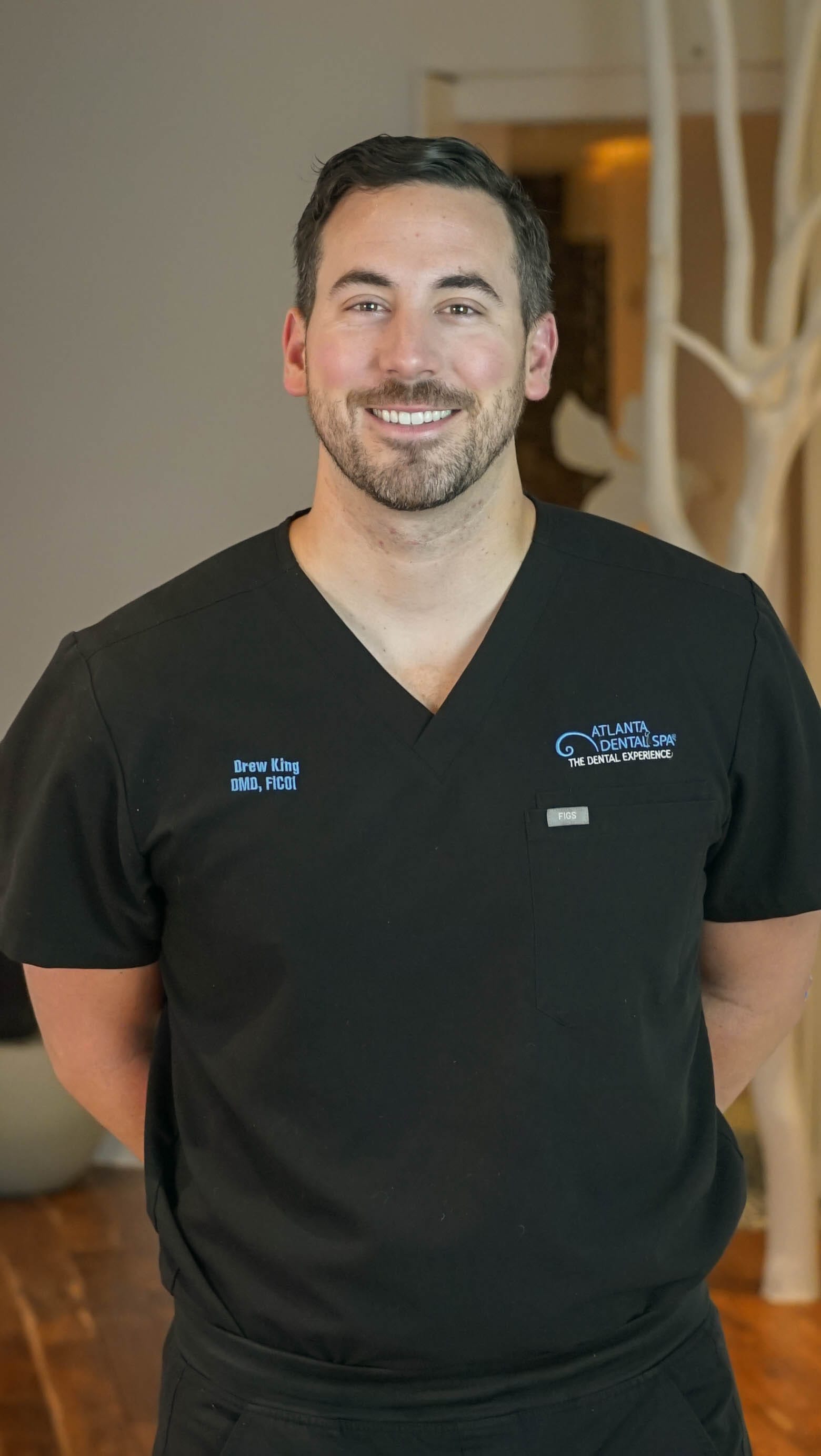
Dr. Drew King, DMD, FICOI
CEO of Atlanta Dental Spa. Premier cosmetic and sedation dentist. Speaker, entrepreneur, and advocate for the elevated patient experience.
The Luxury Smile Makeover Guide
Veneers, implants, timelines & investment ranges.
Get Your Free Copy