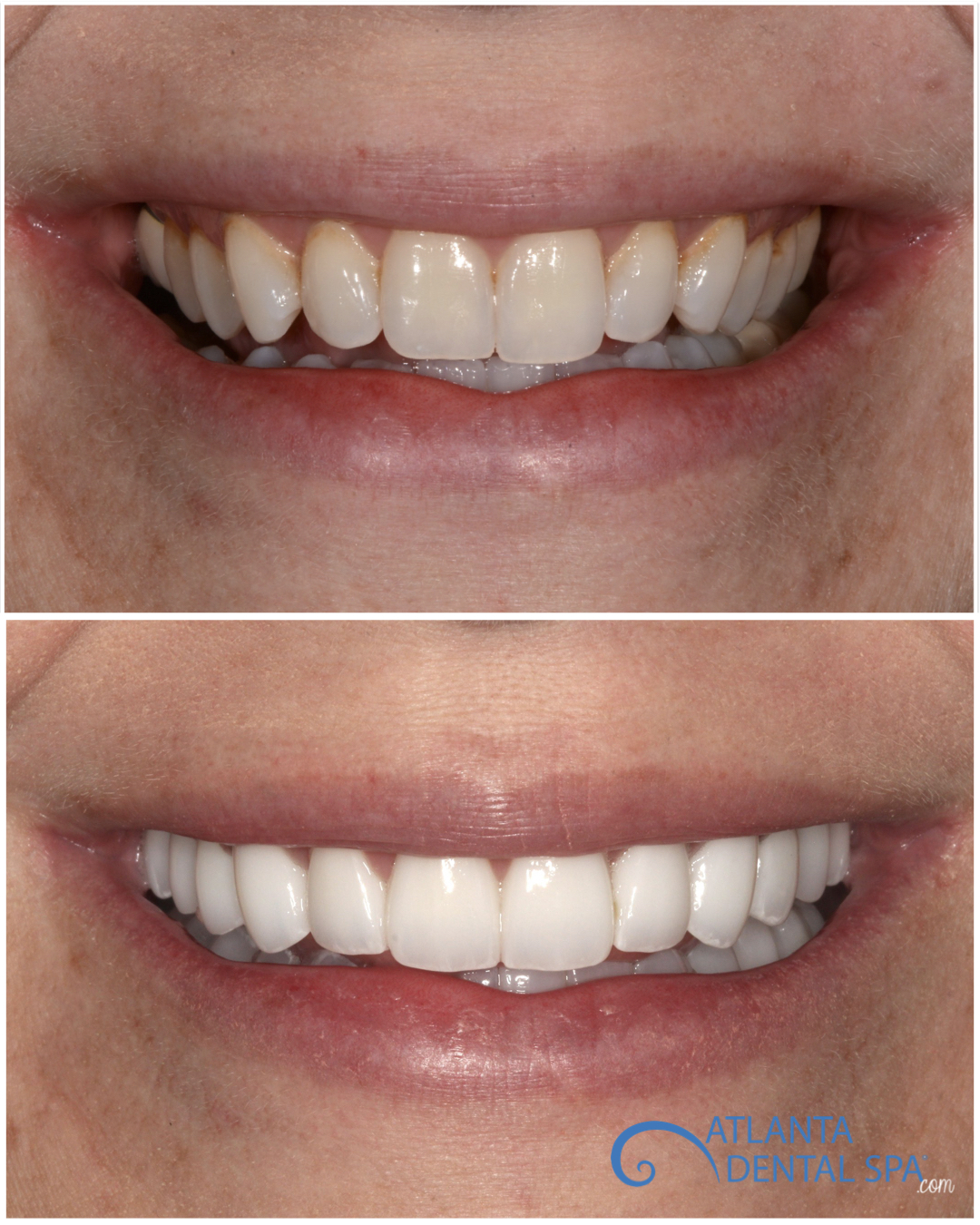
Porcelain Veneers: Craftsmanship vs. Mass Production
Not all porcelain veneers are created equal. In fact, the gap between a handcrafted veneer and a mass-produced one is as wide as the gap between a bespoke suit and something pulled off a rack at a discount store. Both technically cover the same function. But one fits you. One moves with you. One was made for you. The other was made for everyone — which means it was made for no one in particular.
The Problem with Mass-Produced Veneers
The rise of dental tourism and discount veneer mills has flooded the market with cheap, fast porcelain work. These veneers are typically milled by machine from a single block of ceramic, with minimal customization and no hand-layering. The result is a flat, opaque, monochromatic appearance that looks artificial under any lighting. They are the dental equivalent of clip-art — technically functional, but devoid of character.
Worse, mass-produced veneers often require aggressive tooth preparation because they are thicker and less precisely fitted. This means more healthy enamel is removed, more nerve damage is risked, and the long-term prognosis of the tooth is compromised. The initial savings disappear quickly when replacements are needed in 5–7 years instead of 15–20.
What Handcrafted Means at Atlanta Dental Spa
At Atlanta Dental Spa, every porcelain veneer is a collaboration between Dr. King and a master ceramist. The process begins with detailed photography, digital impressions, and shade mapping — capturing not just the color of your teeth, but their translucency, surface texture, and how they interact with light at different angles.
This data is sent to the ceramist, who hand-layers the porcelain in multiple firings — building up depth, character, and individuality that no machine can replicate. The result is a veneer that has internal color variation, natural translucency at the incisal edge, and surface texture that mimics real enamel. Under any light — fluorescent, natural, flash photography — it looks like a real tooth. Because it was built to behave like one.
Three Porcelain Systems, One Standard
Dr. King works with three distinct porcelain systems — Empress, Emax, and Feldspathic — each selected for specific clinical situations. Feldspathic porcelain offers the highest level of artistic control and translucency, ideal for anterior teeth where aesthetics are paramount. Emax provides exceptional strength for patients who need durability without sacrificing beauty. Empress delivers a balance of both, with excellent light-handling properties.
The choice of system is never arbitrary. It is determined by the patient’s bite, the condition of the underlying tooth, the desired aesthetic outcome, and the position of the veneer in the smile. This level of material selection — case by case, tooth by tooth — is what separates a premium practice from a production facility.
Why It Matters for Your Investment
Handcrafted veneers cost more upfront. There is no way around that reality. But the total cost of ownership — factoring in longevity, maintenance, and the likelihood of replacement — almost always favors the premium approach. A well-made feldspathic veneer can last 15–20 years. A mass-produced alternative may need replacement in half that time, doubling the biological cost to your teeth and the financial cost to your wallet.
If you are considering porcelain veneers and want to understand the difference that craftsmanship makes, schedule a consultation with Dr. King. We will show you examples of our work, explain the material options, and help you understand what is possible when veneers are treated as art rather than product.
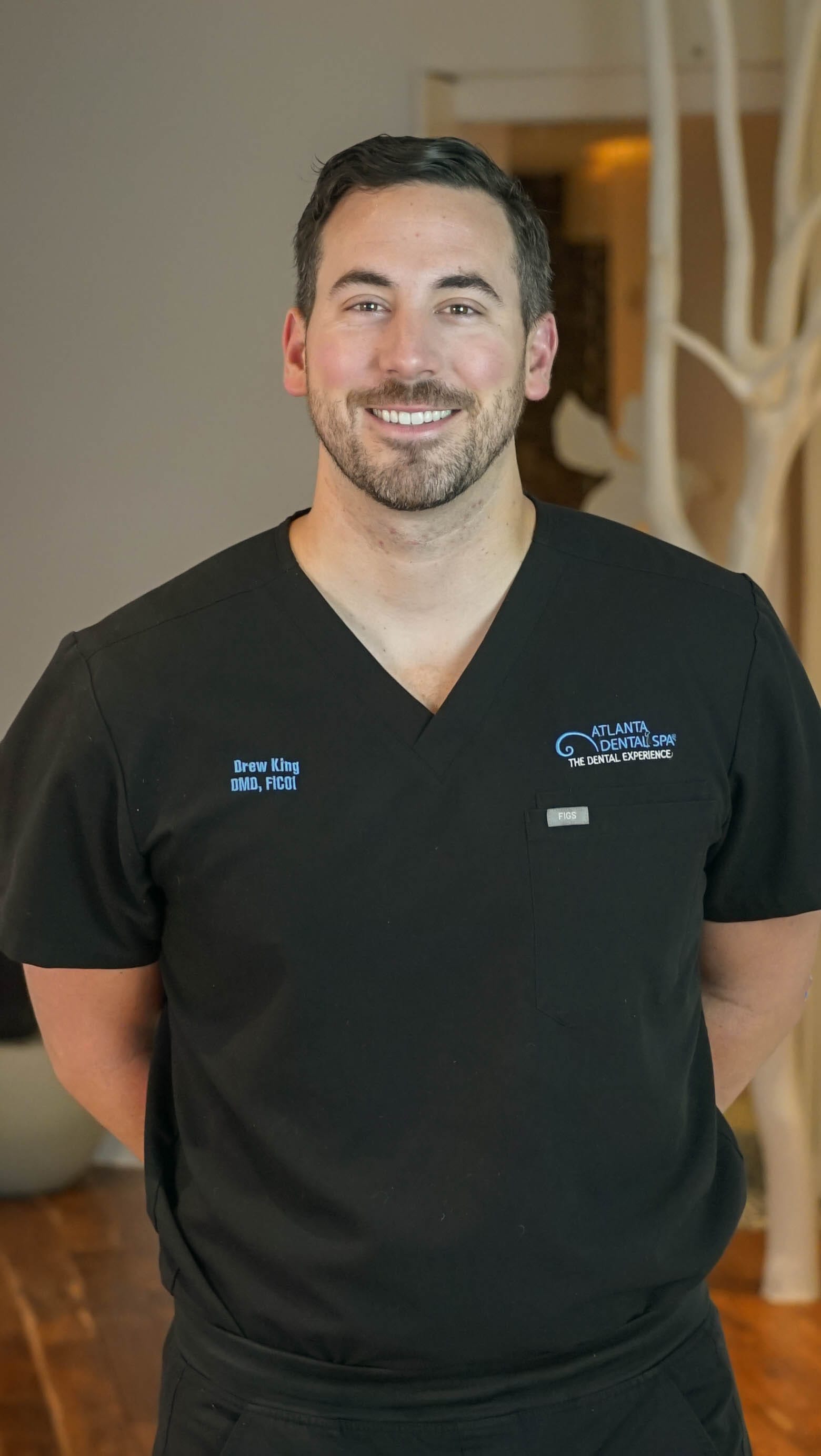
Dr. Drew King, DMD, FICOI
CEO of Atlanta Dental Spa. Premier cosmetic and sedation dentist. Speaker, entrepreneur, and advocate for the elevated patient experience.
The Luxury Smile Makeover Guide
Veneers, implants, timelines & investment ranges.
Get Your Free Copy